
The Truth About Cheap Modular Kitchens and Why They Don’t Last
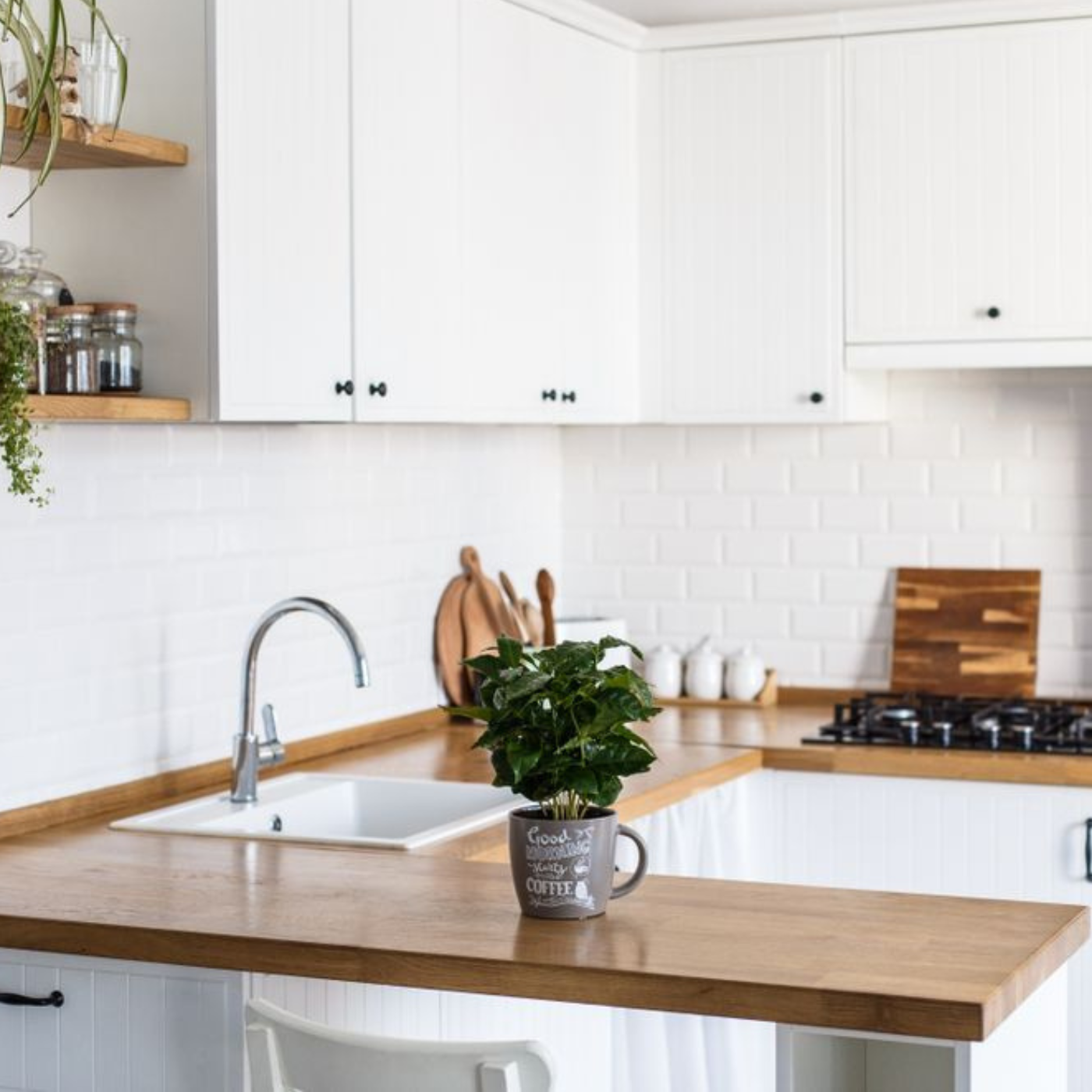
Cheap modular kitchens may look attractive initially, but low-quality materials and weak hardware often cause expensive long-term problems.
The Temptation of Low-Cost Structural Estimates
When planning a home interior project, getting a rock-bottom quote for a modular kitchen can feel like a massive win. Property owners are frequently flooded with tempting advertisements offering complete kitchen setups at incredibly low rates. Homeowners searching for an affordable modular kitchen or evaluating the baseline kitchen interior cost in Haldwani often rush into these deals, focusing solely on the immediate upfront savings.
However, a kitchen is not just another piece of movable furniture like a coffee table or a bookshelf; it is a high-stress, semi-industrial workspace inside your home. It deals with daily heat, heavy impact, grinding stones, water exposure, and sharp tools. While a cheap kitchen might look bright and spotless in a showroom or on a fresh installation day, the structural reality begins to surface within just six to twelve months of active cooking.
The truth that budget contractors hide is simple: you cannot achieve a genuinely low price without fundamentally cutting corners on raw materials, core engineering, and mechanical hardware. What seems like an amazing bargain initially transforms into a continuous cycle of alignment issues, jamming drawers, and expensive structural repairs.
1. The Core Material Trap: Commercial Ply vs. True Moisture Resistance
The biggest cost-cutting measure in cheap modular kitchens happens where you cannot see it: the core structural boards hidden beneath the exterior laminate. Budget vendors frequently use low-grade Commercial Ply, Medium-Density Fibreboard (MDF), or highly porous Particle Board to build the main cabinet boxes.
While these materials look perfectly fine when covered with a shiny surface layer, their internal structure cannot handle the environmental realities of a traditional Indian kitchen.
Low-Grade Particle Board / MDF:
Steam or Water Infiltration leads to Rapid Fiber Swelling which causes Core Crumbles and Hinges to Pull Out.
Premium BWP / BWR Marine Ply:
Steam or Water Infiltration meets a Cross-Layer Resin Defense resulting in Zero Structural Expansion.
Why Cheap Interior Cores Fail Prematurely
-
High Sensitivity to Moisture: Standard particle boards and cheap ply use water-soluble glues. The moment water seeps past a seam—whether from an under-sink pipe leak or daily counter wiping—the internal fibers drink up the liquid, swell up, and begin to rot.
-
Losing Screw-Holding Strength: Low-cost engineered woods are not dense. Over a few months of opening and closing heavy doors, the wood fibers around the screw holes strip away, causing cabinet doors to sag, tilt, or fall off completely.
-
Bending Under Heavy Weight: When loaded with heavy local stone mortars, large flour containers, and cast-iron cookware, cheap shelf boards slowly bow downward under the continuous weight, permanently ruining the alignment of your cabinetry.
True structural durability requires an authentic moisture-resistant kitchen built with Boiling Water Proof (BWP) marine-grade plywood or high-density polymers that can handle water contact without losing their shape.
2. Unbranded Hardware: The Silent Cause of Friction
A modular kitchen is only as good as its moving hardware. The hinges and drawer runners are the actual engines of your kitchen workspace; they do the hard physical work every single day. To hit an impossibly low price point, cheap kitchen builders use unbranded, low-grade metal sliders and basic iron hinges.
Cheap Iron Hinge:
Kitchen Steam and Humidity leads to Surface Rust Formation causing Metal Jamming and Loud Screeching.
Premium Soft-Close Mechanism:
Kitchen Steam and Humidity meets a Stainless Anti-Corrosion Layer resulting in Smooth, Silent Closing.
The Quick Breakdown of Hardware Failures
-
Rapid Rust Accumulation: Kitchens naturally generate steam and humidity. Cheap iron or basic steel hinges lack proper anti-corrosion coatings, causing them to develop thick orange rust within a single monsoon season.
-
Losing Their Soft-Close Function: Low-end "soft-close" copies use cheap internal hydraulic fluids. Within a short time, the internal seals break, the fluid leaks out, and the drawers start slamming shut with a loud rattle.
-
Jammed Ball-Bearing Slides: Budget drawer channels use thin metal tracks and low-grade plastic ball bearings. As soon as a little bit of dust, flour, or spilled cooking oil gets inside the tracks, the system jams up, requiring massive physical effort just to pull a drawer open.
Investing in verified, branded architectural hardware ensures that your wide tandem drawers and pull-out storage units glide smoothly and effortlessly for decades.
3. Poor Edge-Banding: The Source of De-lamination
Edge-banding is the thin protective strip glued onto the raw, exposed edges of a cabinet board. It serves as the primary defensive seal keeping moisture and steam out of the internal wood core. In low-cost kitchen operations, this step is often done poorly by hand using basic contact glues and cheap PVC strips.
Manual Hand-Glued Edge:
Daily Boiling Steam and Heat causes Glue to Melt and Dry Out, making the Strip Peel Off and Expose the Core.
Machine-Pressed PUR Edge-Banding:
Daily Boiling Steam and Heat meets a Permanent Molecular Bond creating a 100% Waterproof Armor Shield.
How Faulty Edges Ruin Your Cabinetry
-
Glue Failing Due to Heat: Regular manual glues melt easily when exposed to temperatures near the cooking range. Over time, the edge strips begin to peel away at the corners.
-
Exposing the Core to Dampness: The second an edge strip peels open even a fraction of a millimeter, ambient humidity gets inside, triggering rapid wood swelling and ruining your expensive exterior finish.
-
Sharp, Dangerous Corners: Hand-trimmed PVC edges often leave behind rough, razor-sharp plastic borders that catch on clothing and cause painful scratches during fast-paced cooking.
4. The Countertop Nightmare: Soft Stones and Bad Substructures
The countertop is the ultimate impact zone of your entire workflow. Cheap modular kitchen estimates frequently cut costs by omitting the essential framework beneath heavy stone tops, or by sourcing low-quality, highly porous granites and synthetic stones.
Substructure Comparison:
Cheap System: Heavy Stone Slab applies Direct Weight onto Weak, Unreinforced Plywood Sides, creating a Cracking Risk.
Premium System: Heavy Stone Slab is Supported By Steel Cross-Beams and a Dense Frame to maintain a Perfect Balance.
The Structural Failure Points
-
Deep Structural Stains: Cheap, unsealed stones absorb cooking oils, turmeric paste, and citrus juices directly into their deep pores, leaving behind permanent, ugly stains that cannot be scrubbed away.
-
Sudden Stone Cracks: Sinking a heavy mortar pestle down onto a stone countertop that lacks a solid, perfectly level supporting base underneath can create sudden, non-repairable fractures right through the slab.
-
Water Dripping into Drawers: Budget installations regularly skip cutting proper under-counter water-drip grooves, allowing liquids to run off the counter edge and soak directly into the lower drawer panels.
5. Poor Workmanship and Cheap Assembly Methods
You can buy great materials, but if they are put together by untrained workers using rushed construction practices, the entire installation will struggle over time. Low-cost vendors stay profitable by executing projects as fast as possible, skipping vital leveling, calculation, and calibration protocols.
The Visual Warning Signs of Bad Installation
-
Uneven, Crooked Gaps: Look closely at a cheap kitchen installation, and you will see uneven spacing between drawer fronts and doors that do not sit perfectly flush.
-
Unstable Wall Anchors: Hanging heavy upper cabinets onto weak masonry using low-grade plastic wall plugs creates a severe safety hazard, as the entire cabinet can slowly pull away from the wall over time.
-
Inaccurate Appliance Cutouts: Rushed cutouts for hobs and sinks often leave behind rough, unsealed raw wood borders that trap water leaks and accelerate mold growth underneath.
6. The True Math: Why Cheap Kitchens Cost More Over Time
Let us break down the actual long-term financial numbers. A cheap modular kitchen might cost you less on day one, but its operational lifespan is typically limited to around two to four years before major structural parts require full replacement.
THE REAL INVESTMENT TIMELINE (10-YEAR HORIZON)
Option A: The "Cheap" Kitchen
-
Year 1: Initial Cost: ₹120,000
-
Year 3: Repairing Sagging Doors & Rusted Hinges: ₹25,000
-
Year 5: Swollen Base Cabinets & Full Replacement: ₹1,40,000
-
Year 8: Second Round of Runner Failures: ₹30,000
-
Total 10-Year Financial Outlay: ₹3,15,000 (Plus constant stress)
Option B: The Premium Engineered Kitchen
-
Year 1: Initial Cost: ₹2,20,000
-
Years 2 to 10: Zero Maintenance Costs: ₹0
-
Total 10-Year Financial Outlay: ₹2,20,000 (With absolute peace of mind)
When you calculate the total cost of ownership—including the time spent dealing with broken tracks, paying for replacement boards, and eventually rebuilding the entire layout—the cheap option quickly becomes the most expensive way to build a home. High-quality engineering saves you money by performing perfectly from the start.
7. How to Identify a Genuinely Durable Modular Kitchen
When evaluating options at a modular kitchen showroom or reviewing modern kitchen design ideas, look past the surface styling and ask your designer these tough technical questions:
-
What is the exact core material specification? Insist on certified IS:710 Boiling Water Proof (BWP) marine plywood for all base cabinet structures, especially around the high-moisture under-sink and dishwasher zones.
-
What brand of hardware is running the drawers? Demand globally recognized architectural hardware brands that offer official multi-year performance warranties on their soft-close hinges and tandem runners.
-
How is the edge-banding applied? Ensure all panel borders are sealed using heavy factory-grade edge-banding machines utilizing high-temperature Polyurethane (PUR) hot-melt adhesives, rather than basic manual hand-gluing.
-
What is the load capacity of the drawer runners? A high-performance drawer system should easily handle dynamic weights ranging from 35kg up to 70kg without showing any track bending or friction.
8. Why Local Environmental Factors in Uttarakhand Matter
When designing a kitchen, regional geography plays an immense role in how materials behave over time. Homeowners in the Kumaon region, especially around Haldwani, Kathgodam, and Bhimtal, face unique environmental challenges that do not affect projects in drier plains. Cheap, standard modular kitchens are simply not engineered to withstand these localized climate patterns.
The Threat of Seasonal Humidity Fluctuations
Haldwani experiences intense weather shifts, ranging from dry, hot summers to extreme, high-moisture monsoon seasons. During the monsoons, atmospheric humidity sky-rockets.
-
Cheap composite boards like MDF and commercial particle boards pull this moisture straight out of the air like a sponge.
-
As the wood fibers absorb dampness, the internal structural glue begins to dissolve at a molecular level.
-
When winter arrives and the weather dries out, these swollen fibers contract unevenly, causing internal cracking and leaving the boards permanently weak and structurally unsound.
Groundwater Minerals and Metal Degradation
The groundwater properties across different zones of Uttarakhand often contain high levels of dissolved minerals and hard water traits.
-
Standard, budget-friendly nickel-plated slides or simple iron metal hinges react quickly with this airborne mineral moisture.
-
This reaction accelerates galvanic corrosion, producing deep rust layers within the tight moving parts of your hardware.
Regional Material Warning: If you want to know exactly how Uttarakhand's weather breaks down cheap local wood materials within months, check out our localized guide: 👉 95% of Kitchens in Kumaon Get Damaged Faster: Why Smart Modular Design Matters.
9. Structural Ergonomics: The Cost of Poor Cabinet Planning
Cheap kitchen packages are almost always built using prefabricated, standardized box dimensions. These out-of-the-box setups disregard the specific physical proportions of the home cook, the specific dimensions of regional Indian cookware, and the classic workflow patterns required for efficient meal preparation.
Breaking the Golden Work Triangle
A poorly engineered kitchen layout ignores the structural balance between the three primary operational points: the cooking stove, the washing sink, and the cold or dry storage zone.
-
Budget vendors place cabinets wherever it is easiest for them to install, completely disrupting this natural operational loop.
-
This forced, inefficient layout means you waste massive amounts of time walking back and forth across the room just to fetch standard ingredients during active cooking.
-
Countertops become overcrowded because the internal storage shelves are located too far away or are too physically awkward to access comfortably on a daily basis.
The Absence of Counterbalance and Safety Features
When base cabinets are built with cheap, unreinforced frames, they lack proper structural stability.
-
Loading heavy stone cookware or massive mixers into an uncalibrated drawer system shifts the center of gravity dangerously forward.
-
Without proper floor anchors and industrial-grade wall brackets, high-density drawers can tilt the entire cabinet cluster forward when pulled out to full extension.
Comprehensive Cost Breakdown: To figure out exactly how much a structurally stable, professionally engineered kitchen setup costs in our city, check out our realistic budget manual: 👉 Modular Kitchen Price in Haldwani: 2026 Cost Guide.
10. The Hidden Health Risks of Cheap Kitchen Adhesive Resins
Beyond the obvious mechanical breakdowns and structural failures, low-cost modular kitchens present a hidden chemical hazard that directly impacts your home's daily air quality and your family's long-term health. Budget-grade engineered woods rely heavily on cheap, toxic chemical binders.
Formaldehyde Off-Gassing Explained
To keep production costs as low as possible, cheap composite boards use basic Urea-Formaldehyde chemical resins.
-
These low-end glues continuously release volatile organic compounds (VOCs) into the indoor air through a process known as off-gassing.
-
Because kitchens generate high heat from cooking stoves and ovens, this heat speeds up the chemical off-gassing process significantly.
-
Spending hours inside a closed kitchen filled with high VOC levels can cause chronic eye irritation, persistent morning headaches, and respiratory discomfort.
The Risk of Interior Mold and Pest Infestations
When cheap, non-treated plywood absorbs water from minor plumbing leaks or steam, the damp wood fibers turn into an ideal breeding ground for microscopic fungal spores.
-
Dark, damp, and unventilated spaces—especially under the sink area—quickly fill with black mold colonies that can ruin stored food items.
-
Furthermore, the loose, soft starch matrices found inside cheap particle boards provide a prime food source for wood-boring beetles and termites.
Design Safety Manual: To discover how to spot these layout vulnerabilities and avoid typical mistakes before your site work starts, read our local architecture warning: 👉 7 Mistakes to Avoid When Designing a Kitchen in Uttarakhand.
Final Thoughts: Functionality Over Everything
A beautiful appearance is excellent, but real internal durability is what keeps a busy kitchen functional for decades. Choosing a premium modular kitchen design means investing in high-grade core materials, rust-proof functional hardware, and precise factory assembly.
When you prioritize structural quality over a cheap sticker price, you protect your hard-earned money and build a stress-free cooking space that functions flawlessly day after day. Invest in high-performance hardware, plan your layout around real-world workflow, and build a kitchen that is truly engineered for life.
BOOK A PROFESSIONAL KITCHEN DESIGN AUDIT
Want to avoid expensive kitchen renovation mistakes? Let our experienced engineering team design a high-durability, beautiful workspace tailored completely to your home. Don't leave your kitchen's internal engineering to guesswork. Book a Professional Kitchen Ergonomics & 3D Layout Consultation (Worth ₹5000) with our expert team today for free.
[Request Your Free Kitchen Design Consultation Now]
Call/WhatsApp: +91 8979123945
Visit Our Showroom: Kaladhungi Road, Haldwani.
Explore Our Work: www.kitchenworldhaldwani.com
