
The Hidden Truth About Modular Kitchen Pricing in Haldwani Most Dealers Don’t Tell You
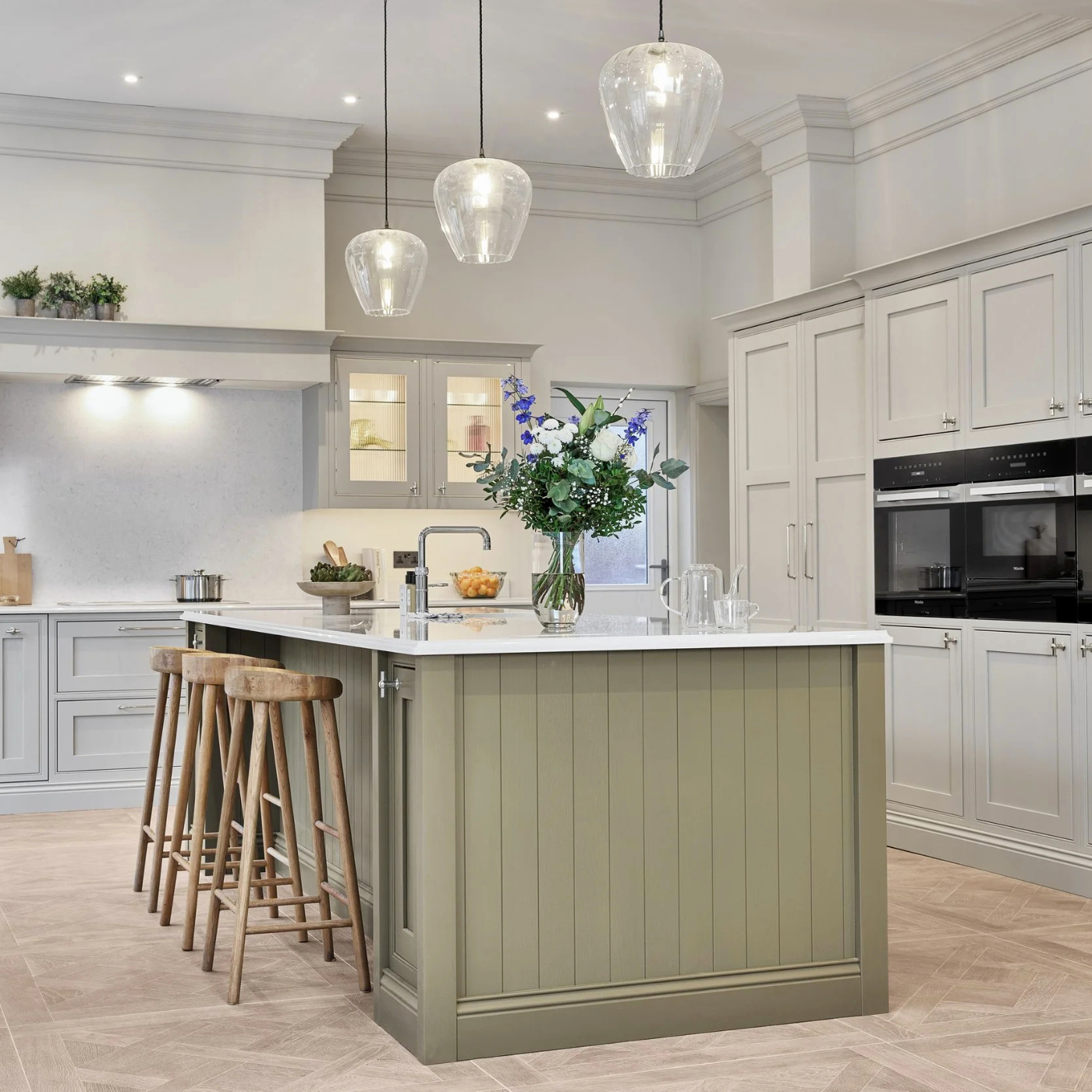
Modular kitchen pricing in Haldwani is not as simple as it looks. Many homeowners end up paying more due to hidden costs,
The Psychology of the Low Per-Square-Foot Quote
If you are currently scouting the market for a home interior project in Uttarakhand, you have likely encountered a wide variety of pricing estimates. Homeowners evaluating a modular kitchen showroom or calculating the baseline kitchen interior cost in Haldwani are often greeted with an incredibly appealing marketing pitch: the flat "Per-Square-Foot" rate.
Dealers display beautifully lit displays and quote a low baseline rate that makes a premium setup seem remarkably inexpensive. However, this initial number is frequently a deliberate pricing strategy designed to get you through the door and secure an upfront commitment.
The modular kitchen industry is built on multi-tier component pricing, which means a functional kitchen setup cannot be accurately measured by a simple two-dimensional wall calculation. When a quote looks too good to be true, it is because essential structural components have been systematically left out of the initial paperwork.
Once your old kitchen is dismantled and your site work begins, these hidden variables surface as mandatory add-ons, driving your final invoice far beyond your original budget. Understanding how these pricing sheets are constructed is the only way to protect your investment and build a space that delivers genuine long-term value.
1. The Square-Foot Calculation Trick: What is Left Out?
The most common friction point between a property owner and a budget dealer is the definition of what a per-square-foot (SQFT) rate actually includes. When a dealer quotes a baseline rate, they are typically calculated using the absolute bare minimum structural specifications.
The Frontage vs. Carcass Disconnect
-
Only Counting Visible Surfaces: A common strategy is quoting exclusively for the exterior shutters and front panels, while completely omitting the cost of the internal cabinet boxes (the carcasses) behind them.
-
Excluding Back Panels and Skirting: The baseline price often assumes your kitchen walls will act as the internal backboard. If you want a fully enclosed, sanitary cabinet box with a proper back panel and adjustable legs hidden by a moisture skirting profile, the dealer treats it as a costly upgrade.
-
Standard Countertop Omissions: Many low-cost quotes completely ignore the price of sourcing, cutting, polishing, and installing the kitchen counter stone slab, leaving you to manage stone fabrication independently.
2. The Multi-Tier Hardware Upcharge Strategy
A modular layout is fundamentally defined by its moving parts. The internal mechanisms—the hinges, lift-ups, corner pull-outs, and tracking lines—dictate how your kitchen functions every single day. This is also where dealers hide their largest profit margins.
The Basic Hinge Bait-and-Switch
-
The Unbranded Standard: The initial low quote almost always includes generic, non-hydraulic iron hinges. These basic components lack soft-closing mechanisms, meaning your cabinet doors will slam loudly against the frame from day one.
-
The Soft-Close Premium: When you request smooth, silent soft-close hinges, the dealer shifts the pricing to a premium hardware tier, charging you a significant markup per hinge.
-
Tandem Box Upgrades: Budget quotes usually feature basic wire baskets resting on simple roller runners. Upgrading to high-capacity, clean-lined tandem drawers that glide effortlessly under heavy weight can instantly add tens of thousands of rupees to your final cost sheet.
3. Core Material Substitutions: The Hidden Value Drain
The structural integrity of your kitchen depends entirely on the hidden boards underneath the exterior finishes. To maintain an impossibly low initial price point, budget operations cut corners on raw material densities.
Low-Cost Composite Sheet Core:
Choosing this option reduces your initial estimate impact by 30% to 40%. However, these cores are made of low-density fibers held together by simple water-soluble resins. In our local climate, this leads to rapid swelling from steam, stripped screw holes, and severe vulnerability to termite damage within two years.
Certified IS:710 Marine Ply Core:
While this requires a realistic upfront investment, the material is built with high-density hardwood plies cross-layered with phenolic resins. This creates complete moisture defiance, exceptional screw retention, and long-term structural strength over a ten-year horizon.
Choosing sub-par core materials like particle board or commercial ply to save on upfront costs is a major risk in our regional environment. If you want to understand how shifting weather patterns affect material longevity, review our extensive study on hill station material science: 👉 Why Kitchens Fail in the Hills: The Science of Moisture‑Proof Modular Kitchens in Kumaon.
4. The Hidden Costs of Installation, Delivery, and Logistics
Many homeowners focus all their negotiation energy on the material cost sheet, only to find an entirely separate block of service and logistics fees appended to the final billing summary.
The Post-Contract Service Fees
-
Unbundled Installation Labor: Budget dealers often treat installation labor as a separate variable cost, charging you an unexpected per-box assembly fee once the materials arrive at your house.
-
Unloading and Transport Costs: Transporting heavy marine ply panels and fragile stone counters up through Haldwani’s hilly or congested residential sectors requires specialized handling, which is frequently billed as a surprise logistical add-on.
-
Civil and Plumbing Alignment Work: Modifying your existing wall structure, aligning uneven water inlets, or making precise cuts for your kitchen chimney duct are rarely included in a basic retail quote.
5. The True Cost of High-Performance External Finishes
The external finish defines the entire visual character of your premium modular kitchen design. However, pricing summaries frequently hide the cost differences between entry-level overlays and actual high-durability surface materials.
Finishing Differences to Watch For
-
Basic Liner Overlays: The lowest tier pricing utilizes paper-thin, non-UV-stabilized manual laminates that scratch easily and fade over time.
-
The High-Gloss Acrylic Premium: True premium acrylic sheets or high-pressure laminates (HPL) provide a beautiful, seamless appearance but carry a higher material cost.
-
The Practicality of Color Choice: Selecting pristine surfaces like light gloss requires high-quality, non-yellowing polymers that resist kitchen oils and daily wear.
Design Aesthetic Tip: For a detailed breakdown of maintaining beautiful, high-end surface finishes without sacrificing daily functionality, see our local guide: 👉 Is White Laminate Practical for Indian Homes? Myths & Realities for Haldwani Homeowners.
6. Factory-Line Customization vs. Local Workshop Assembly
When analyzing a quote, it is essential to ask where and how your kitchen modules are actually being manufactured. There is a massive structural and financial difference between a factory-engineered system and a local manual assembly.
The Local Workshop Deficit
-
Manual Hand-Gluing: Low-cost dealers cut down production expenses by having local workshop laborers apply edge-banding strips by hand using standard contact adhesives. These edges often peel away within a few seasons due to kitchen steam.
-
Inaccurate Boring Holes: Manual drilling lacks precision, resulting in slightly unaligned hinge plates that cause doors to sag and scrape against the bottom panel.
-
Rushed Construction Timelines: Local workshop projects often run over schedule, leading to rising labor costs and extended downtime for your household.
7. The Cost of Overlooking Structural Ergonomics
Cheap modular providers stay profitable by duplicating generic box designs across every home, completely ignoring your personal physical proportions and daily cooking workflow.
The Invisible Deficiencies of Pre-Fabricated Boxes
-
Disrupting the Work Triangle: Generic setups often place your sink, cooking range, and storage units in inefficient layouts, forcing you to waste time walking back and forth across the room.
-
Awkward Counter Heights: Standardized cabinet heights can cause chronic back strain if they aren't calibrated to the primary cook's height.
-
Wasted Storage Space: Pre-fabricated layouts rarely maximize vertical space or deep corners, leaving you with less usable storage than a custom-engineered setup.
Ergonomic Design Guide: To understand how to blend beautiful aesthetics with highly efficient structural engineering, read our expert layout manual: 👉 The Perfect Blend of Style, Functionality and Comfort.
8. Hidden Upcharges on Standard Kitchen Accessories
A functional modular space requires internal storage organization systems like cutlery trays, spice pull-outs, and corner units. Budget estimates systematically leave these out to make their entry-level numbers look incredibly attractive.
The Storage Accessory Trap
-
Empty Drawer Cavities: The baseline price includes just the raw drawer box. If you want a basic organizational divider for your knives and spoons, it is billed as a separate retail accessory item.
-
The Corner Space Penalty: Deep L-shaped corners are highly useful but functionally awkward. Standard layouts leave these areas dark and inaccessible. Installing a heavy-duty corner mechanism can quickly add a substantial charge to your bill.
-
Waste Management and Detergent Racks: Essential sanitary additions like under-sink pull-out bins and cleaning racks are almost never included in an initial low-cost estimate.
9. The Long-Term Financial Math of Kitchen Investments
Let us look at the genuine financial timeline of a kitchen project over a ten-year horizon. Choosing an option based solely on the lowest sticker price often leads to a cycle of constant repair costs.
The Budget Assembly Financial Timeline:
An entry-level package might cost you around ₹1,15,000 upfront. By Year 2 or 3, you face recurring bills for fixing sagging panels, replacing rusted unbranded sliders, and repairing peeling edge bands. By Year 5, the internal moisture damage to the weak wood core often forces you to scrap the layout entirely and invest in a full rebuild costing an additional ₹1,50,000. Your total 10-year financial outlay easily surpasses ₹3,00,000, accompanied by years of daily frustration.
The Factory-Engineered Financial Timeline:
Choosing a verified, precision-built kitchen requires a realistic initial investment of around ₹2,25,000. Because the layout uses authentic BWP marine plywood, machine-bonded PUR edge seals, and certified architectural hardware, your maintenance costs over the next decade are effectively zero. The cabinet lines remain perfectly straight, the surfaces retain their original gloss, and your investment delivers total peace of mind.
True financial savings are found by investing in high-quality engineering from the very beginning.
10. How to Read a Kitchen Estimate Like a Professional
To protect yourself from hidden markups and misleading quotes, ensure your dealer explicitly defines the following technical details in writing before you make any financial commitments:
-
Core Material Certification: Demand certified IS:710 Boiling Water Proof (BWP) marine plywood for all internal carcasses—not just the outer doors—especially near water zones like the sink.
-
Hardware Brand and Warranty: Ensure every single sliding channel, hinge, and lift-up system is listed with a recognized manufacturer brand name and a multi-year performance warranty.
-
Comprehensive Service Inclusion: Confirm that delivery fees, unloading labor, installation costs, and countertop stone adjustments are fully bundled into a single final sum.
-
Edge-Sealing Method: Verify that all board edges are sealed using high-temperature industrial machines with Polyurethane (PUR) water-proof hot-melt adhesives, rather than hand-applied local glues.
-
Accurate Scale Blueprints: Demand a complete 3D layout showing your exact room dimensions and appliance cutouts before production starts to avoid costly on-site modifications.
Final Thoughts: Prioritize Honest Pricing and Expert Engineering
A successful home interior project relies on clear transparency, authentic raw materials, and smart layout planning. Choosing a premium modular kitchen design means looking past deceptive low-cost quotes and investing in a space built to handle everyday cooking demands effortlessly.
When you prioritise structural durability and honest, upfront pricing over misleading retail tactics, you create a beautiful, efficient workspace that elevates your home life and maintains its high-end value for decades to come.
BOOK A PROFESSIONAL KITCHEN DESIGN AUDIT
Want to avoid hidden fees and ensure exceptional structural quality? Let our experienced engineering team design a high-durability, beautiful workspace tailored completely to your home. Book a Professional Kitchen Ergonomics & 3D Layout Consultation (Worth ₹5000 ) with our expert team today for free.
Request Your Free Kitchen Design Consultation Now
Call/WhatsApp: +91 8979123945
Visit Our Showroom: Kaladhungi Road, Haldwani.
Explore Our Work: www.kitchenworldhaldwani.com
